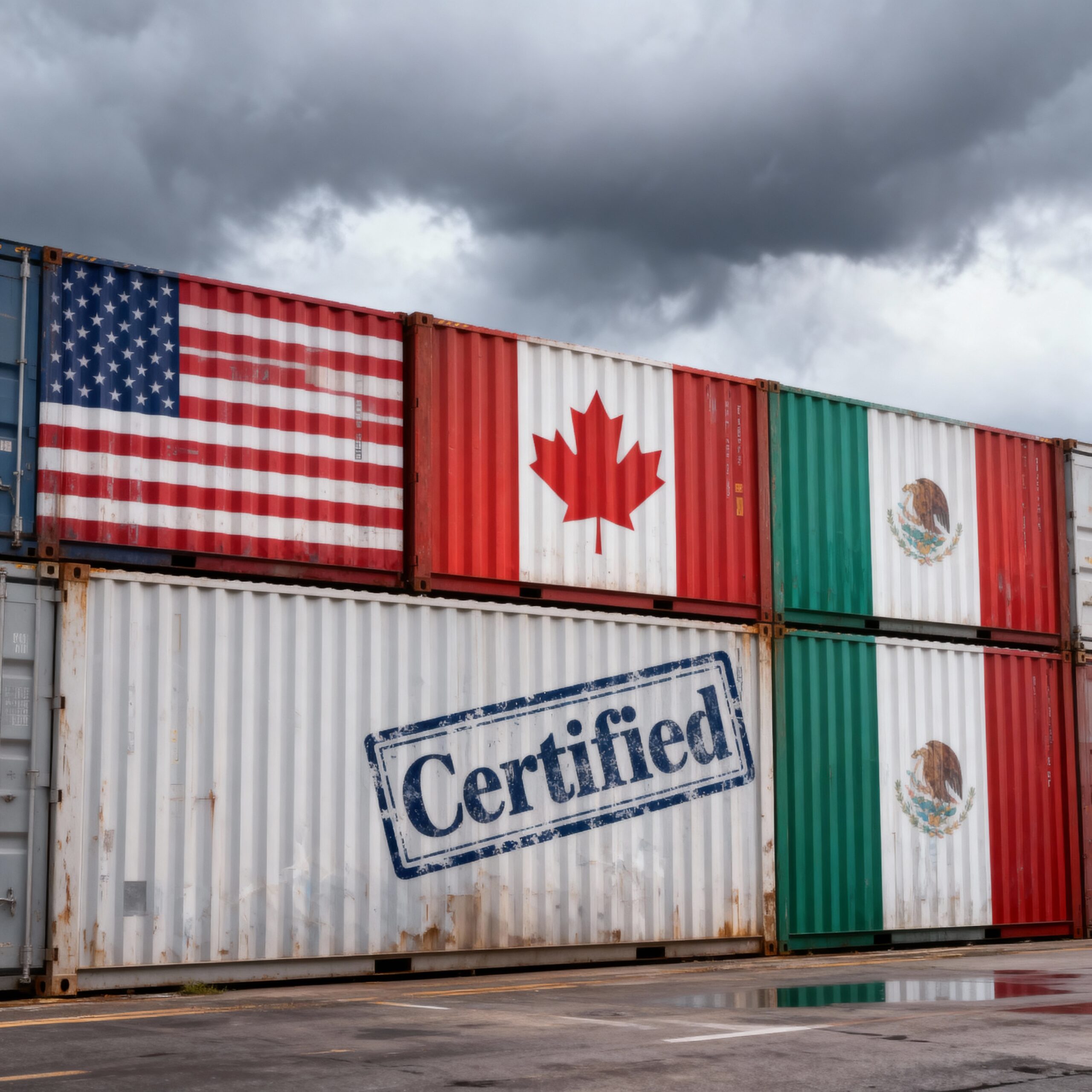
In a globalized economy, you might source steel from China, assemble in Mexico, and sell in the US. In the private sector, this is smart business. In government procurement, this can get you disqualified or sued.
As trade tensions rise, “Economic Nationalism” is reshaping procurement rules. The “Buy American” Act, “Buy Canada,” and various “Local Content” requirements are being enforced more strictly than ever.
Understanding “Rules of Origin”
Government contracts often come with a clause determining the “Country of Origin” of the final product. It is not enough that you are an American company. If the product you are selling is 60% made of components from a non-trade-agreement country, you may be ineligible to bid.
• The Substantial Transformation Test: Did you just repackage the item, or did you substantially transform it in a compliant country?
The Tariff Impact on Fixed-Price Bids
Most government contracts are Fixed Price. You bid $100,000 today to deliver goods next year.
If a new 25% tariff is imposed on your raw materials next month, you cannot pass that cost to the government. You must eat the loss.
• Strategy: You must build “Tariff Risk” into your pricing model or negotiate “Economic Price Adjustment” clauses for long-term contracts.
PCANA’s Role in Supply Chain Verification
Agencies are shifting the burden of proof to the vendor. They want proof of where your stuff comes from.
Maintaining a verified profile on PCANA helps demonstrate your commitment to North American trade standards. It signals to buyers that you are aware of compliance requirements and aren’t a “pass-through” entity for foreign goods.
Conclusion
Don’t let a trade war catch you in the crossfire. Audit your supply chain. Understand the “Buy Local” clauses in every solicitation. And ensure your pricing accounts for the volatility of the global market.